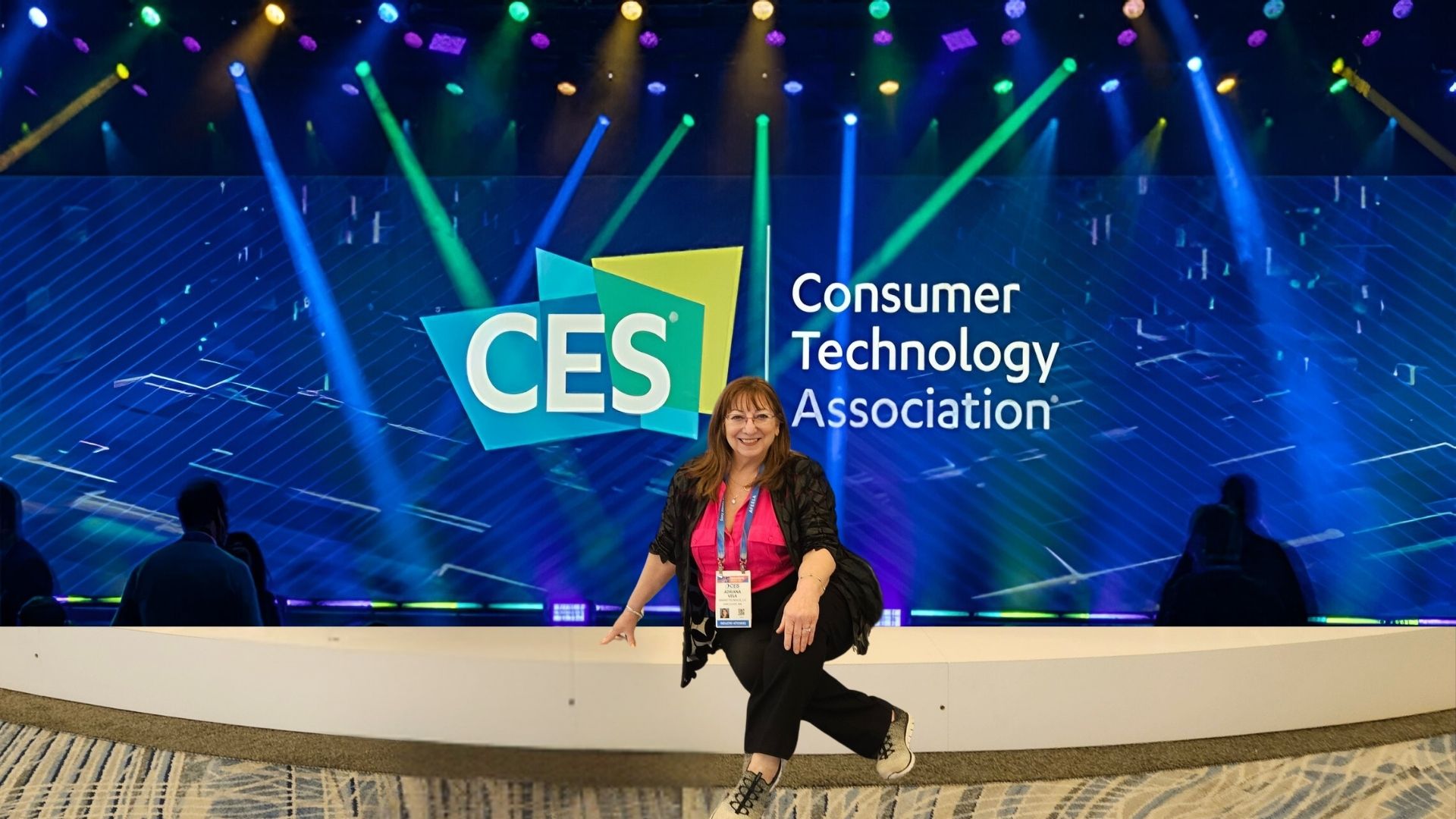
CES 2026 Was Different, And That Matters
At the risk of aging myself, I have attended CES every year since it was still called Comdex in 1998. Over decades, I have watched this event track every major technology shift, from personal computing to mobile to cloud, and now to something far more foundational.
CES 2026 marked a clear inflection point.
This was not a year of speculative concepts or distant promises. It was a year of deployment, infrastructure, and integration. AI was no longer positioned as a feature. It was positioned as a permanent layer of modern life.
That shift matters.
CES 2026 Marked the Shift From AI Products to AI Infrastructure
In prior years, CES emphasized what technology might do. CES 2026 focused on what is already being built, shipped, and scaled.
Across keynotes and show-floor conversations, AI appeared less as software and more as a backbone. Compute, chips, energy systems, robotics, and edge intelligence dominated the narrative. This was evident in announcements from NVIDIA, Intel, and AMD, all of whom emphasized efficiency, scale, and real-world execution over novelty [1][2][3].
Infrastructure is not exciting, but it is decisive. CES 2026 made it clear that the industry is now building for permanence, not experimentation.
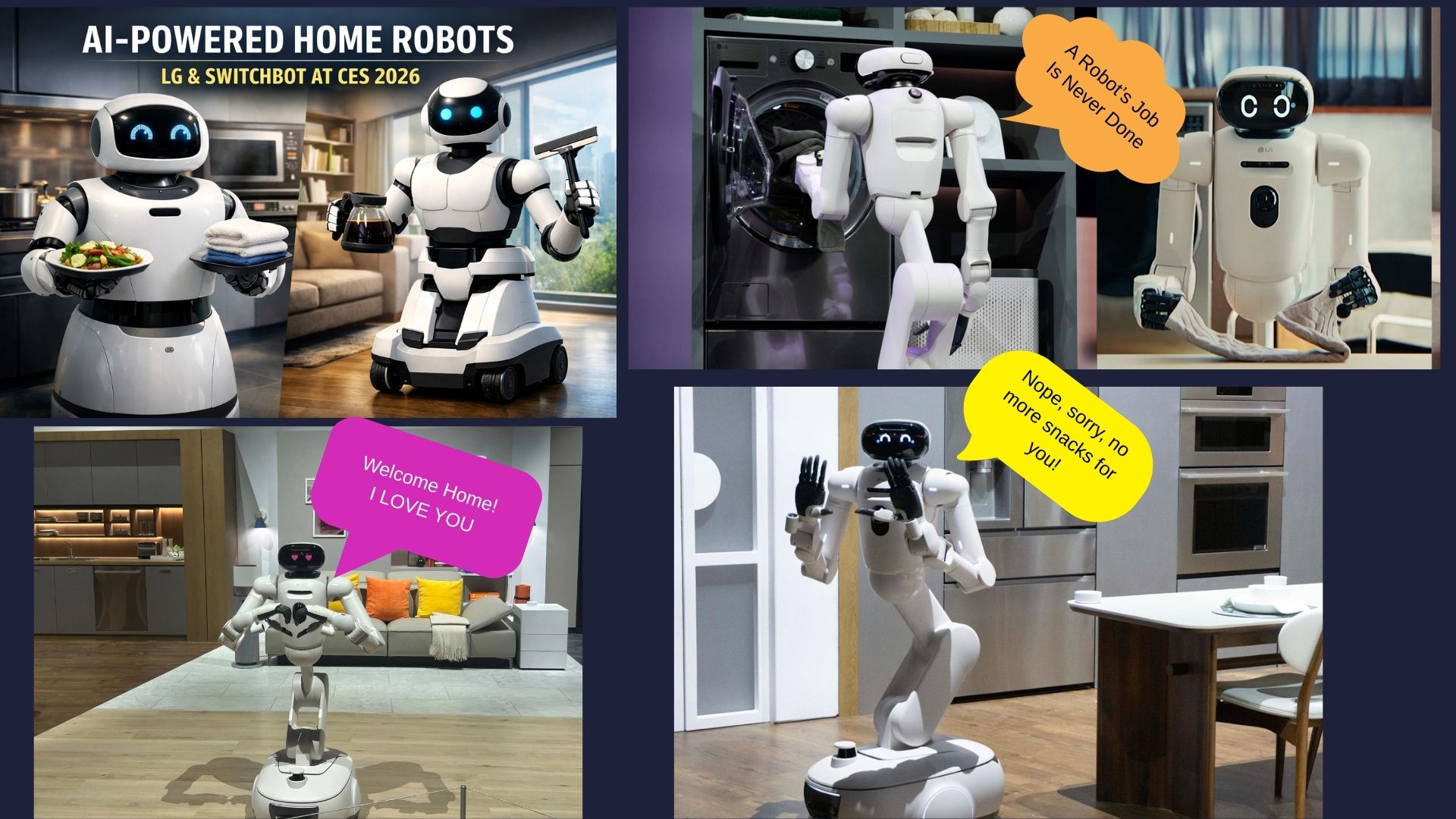
“Still adorable. Still learning. Physical AI has crossed the deployment threshold, just not the snack budget.”
Robotics was no longer framed as spectacle.
At CES 2026, physical AI systems ran continuously, handled real environments, and demonstrated reliability rather than speed. Humanoid robots, industrial machines, and assistive devices demonstrated balance recovery, fine manipulation, and long-duration operation, signaling readiness beyond the lab [4][5].
Companies such as LG reinforced this shift by emphasizing safety, deliberate motion, and long-term coexistence in the home, rather than performance theatrics [6].
This is a critical transition. The question is no longer whether robots can work. The question is whether people will trust them.
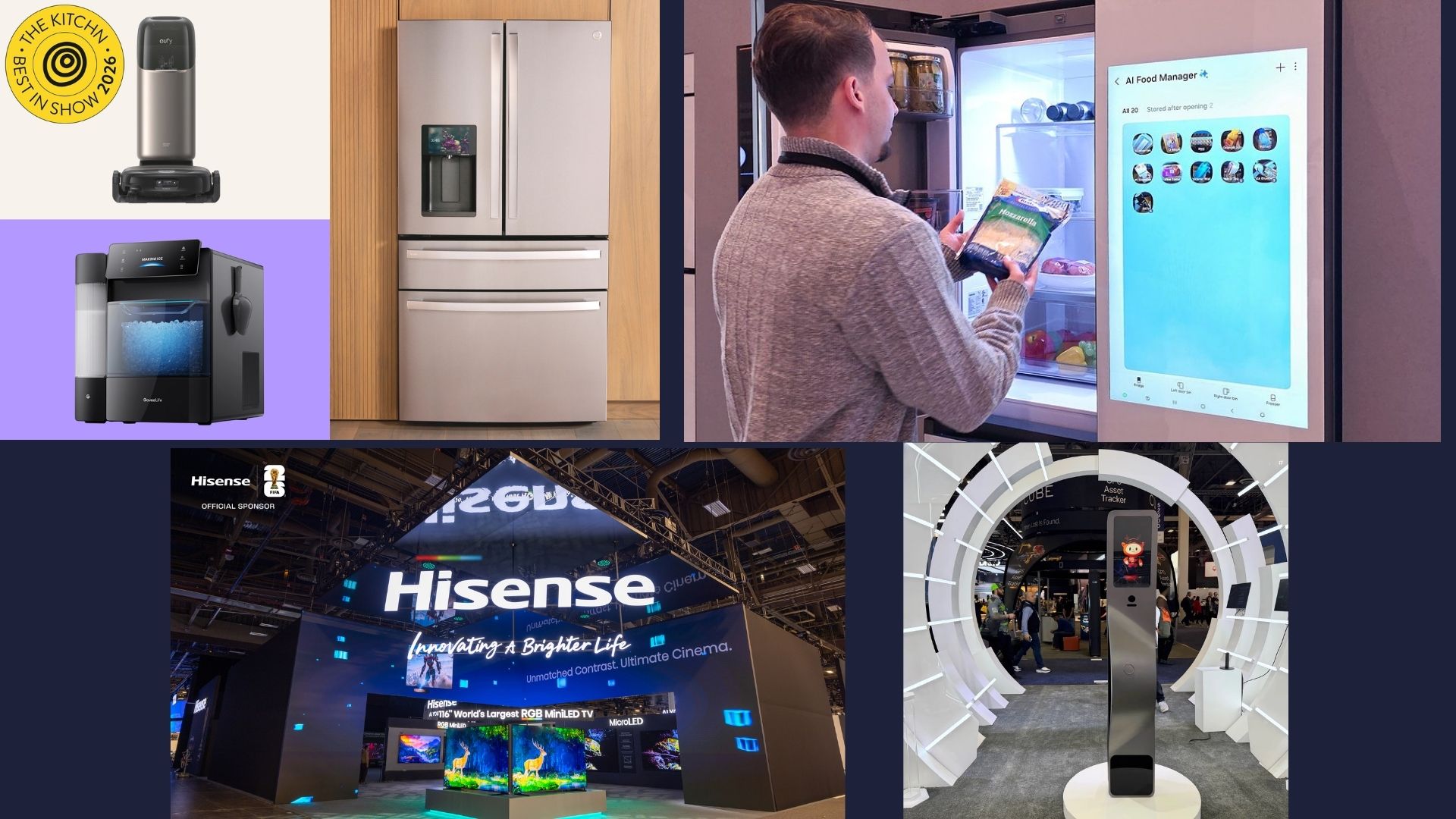
“At CES 2026, AI showed up less as a feature and more as an invisible layer across the home.”
Another defining signal from CES 2026 was the growing unobtrusiveness of AI.
Instead of demanding attention, AI appeared embedded in appliances, energy systems, ambient displays, and assistive technologies. These systems observe, adapt, and operate continuously in the background [7][8].
This matters because invisibility drives adoption. When intelligence becomes ambient, opting out becomes difficult and often impractical.
CES 2026 showed AI crossing from interaction into the environment.
Perhaps the most important signal from CES 2026 was not a product, but alignment.
Hardware manufacturers, cloud providers, and AI platforms are no longer operating independently. Cross-device assistants, shared robotics stacks, and deep integrations between edge and cloud computing reveal ecosystems designed for continuous AI presence [2][9].
When companies with global distribution align at the infrastructure level, AI adoption accelerates regardless of individual user intent.
This is how ubiquity is built.
Why CES 2026 Will Be Remembered
Having attended CES for decades, I can say this with confidence.
CES 2026 will not be remembered for a single breakout gadget. It will be remembered as the year AI moved:
From software to systems
From promise to presence
From optional to assumed
This was the year AI stopped asking for attention and started reshaping environments.
What Comes Next
This article serves as a foundation.
Upcoming analyses will explore:
In-home AI and the trust gap most organizations are ignoring
Physical AI and robotics, separating hype from deployable reality
AI infrastructure, from compute to energy, and what leaders must understand now
Strategic partnerships that will quietly determine control of AI experiences
CES 2026 made one thing clear.
The AI era is no longer arriving. It has already moved in.
For leaders, the question is no longer whether AI will impact your organization. The question is whether you are building the discernment, governance, and strategy required to live with it well.
References
Engadget, All the Tech and Gadgets Announced at CES 2026
The Verge, CES 2026 Coverage and Lenovo AI Announcements
TechCrunch, NVIDIA Launches Vera Rubin AI Computing Architecture at CES 2026
AI Revolution, CES 2026 Day 1: Physical AI Takes the Floor
AI Revolution, CES 2026 Day 2: From Demos to Deployment
Engadget, LG’s CLOiD Home Robot at CES 2026
ZDNET, CES 2026 Live Updates and Embedded AI Trends
Shelly Palmer, Looking Forward to CES 2026
The Verge, Lenovo’s Qira Cross-Device AI Assistant Explained
About the author
Adriana Vela is an award-winning entrepreneur, bestselling author, Certified AEO specialist, and Certified AI Consultant. She fuses neuroscience, systems thinking, and AI strategy to create transformational frameworks that elevate leaders and optimize organizational performance. As a leader in integrating AI adoption, AEO discoverability, human performance, and organizational adaptability, she helps leaders future-proof their companies and personal brands.